Research Articles
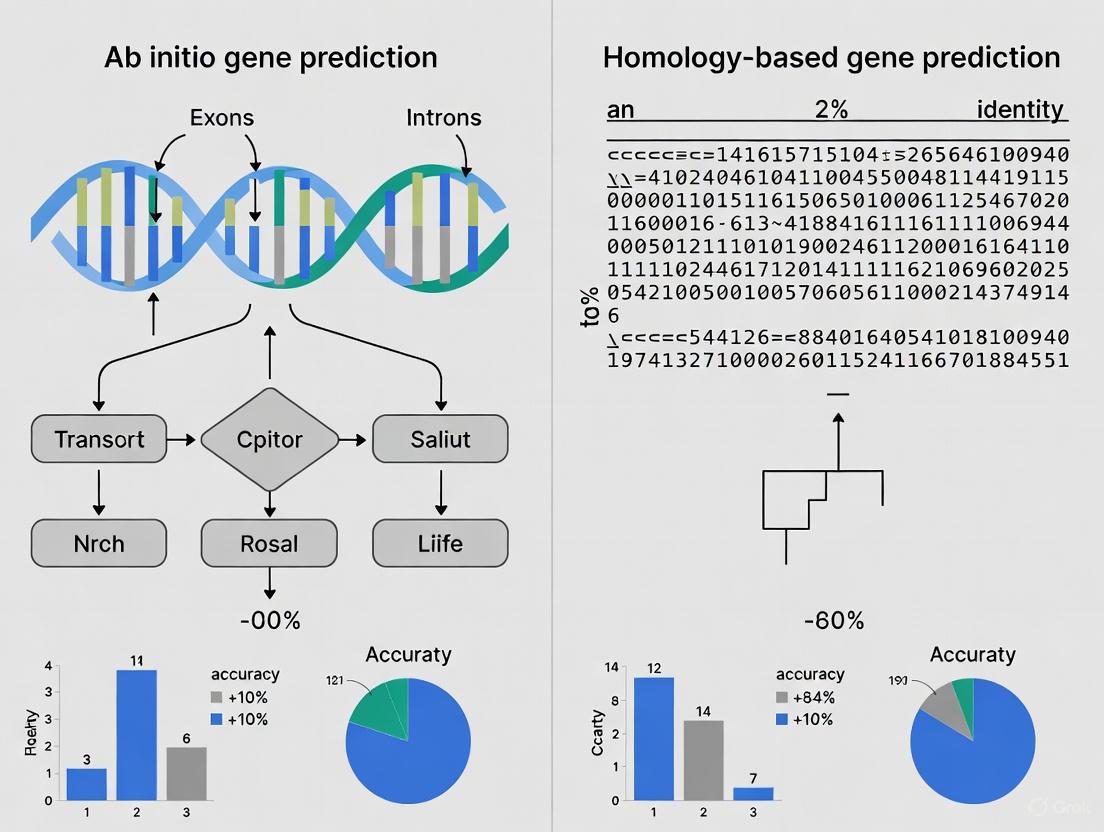
Ab Initio vs. Homology-Based Gene Prediction: A Comprehensive Guide for Biomedical Research
Accurate gene prediction is a cornerstone of modern genomics, with direct implications for understanding disease mechanisms and identifying therapeutic targets.
Benchmarking Gene Finders: A Framework for Rigorous Evaluation Using Experimentally Validated Transcription Start Sites
Accurately identifying gene start sites is a fundamental challenge in genomics, with direct implications for understanding gene regulation, variant interpretation, and drug discovery.
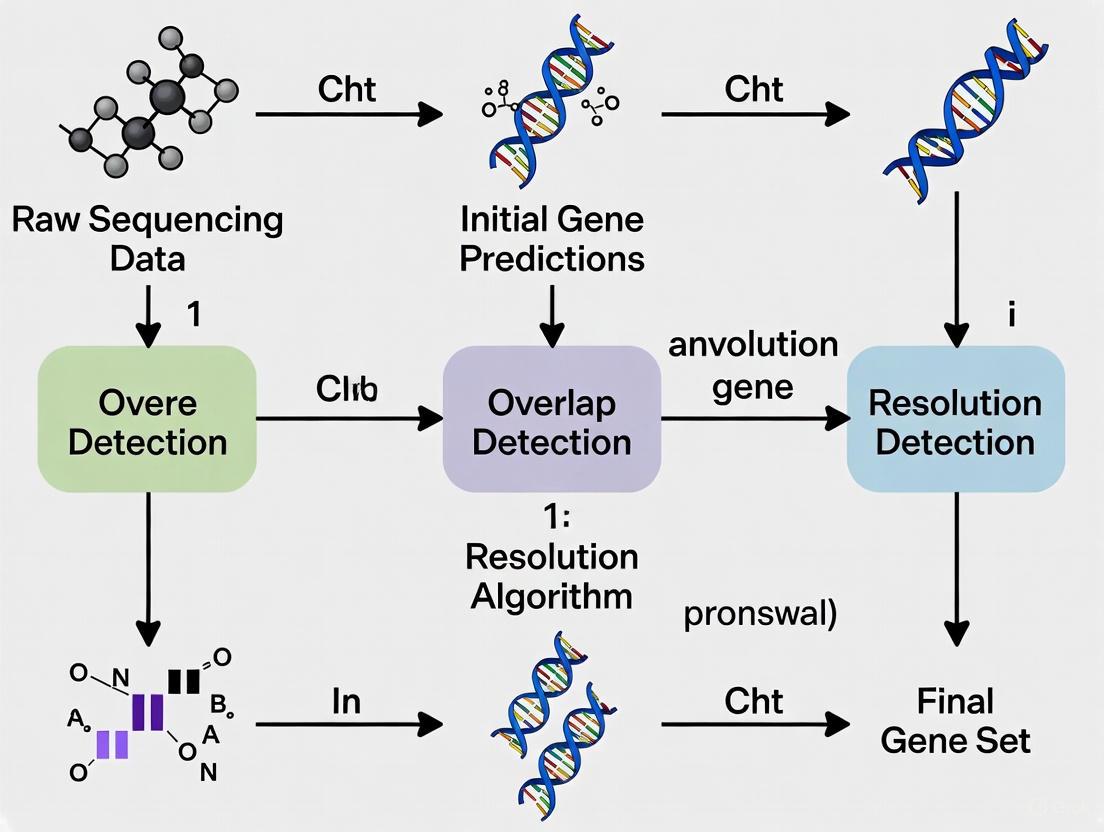
Resolving Overlapping Gene Predictions in Bacterial Genomes: From Annotation Challenges to Functional Discovery
Overlapping genes, once considered rare anomalies in bacteria, are now recognized as a widespread genomic feature present in approximately one-third of all microbial genes.
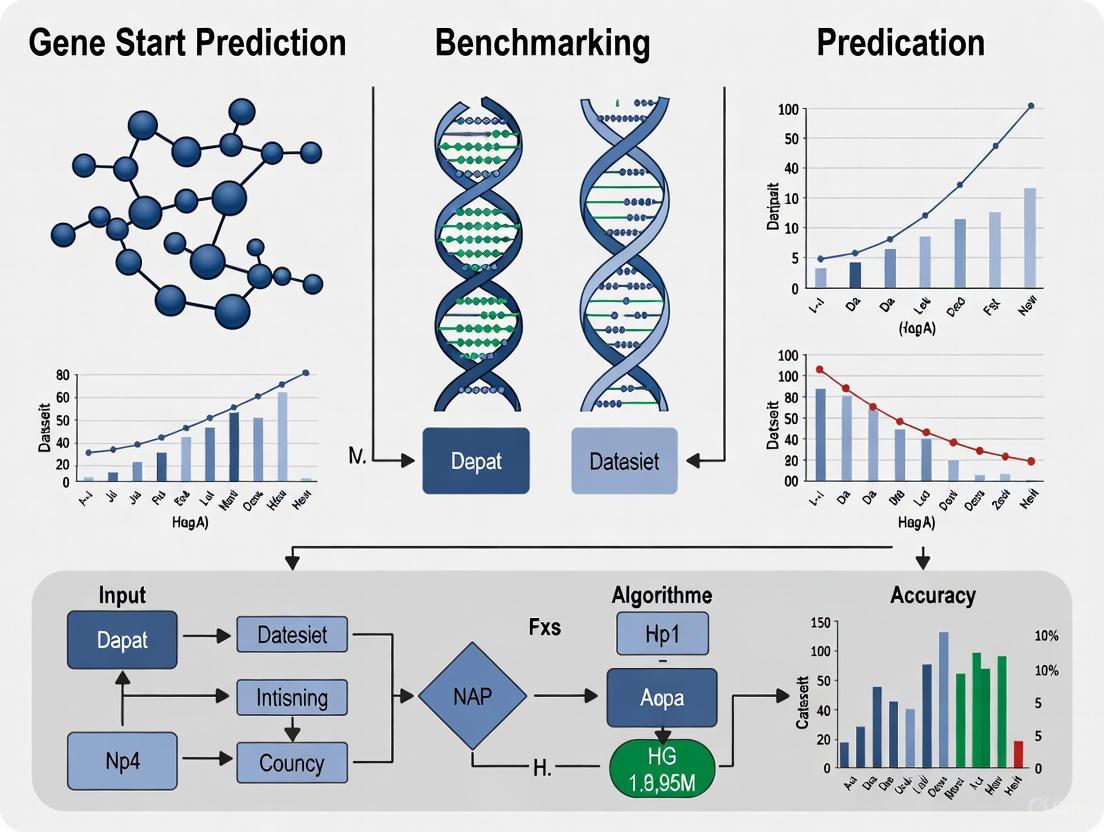
Benchmarking Gene Start Prediction: A Framework for Accuracy on Verified Genomic Datasets
Accurate gene start prediction is fundamental for genome annotation and understanding regulatory mechanisms, yet it remains a challenge due to weak sequence patterns and a historical lack of standardized benchmarks.
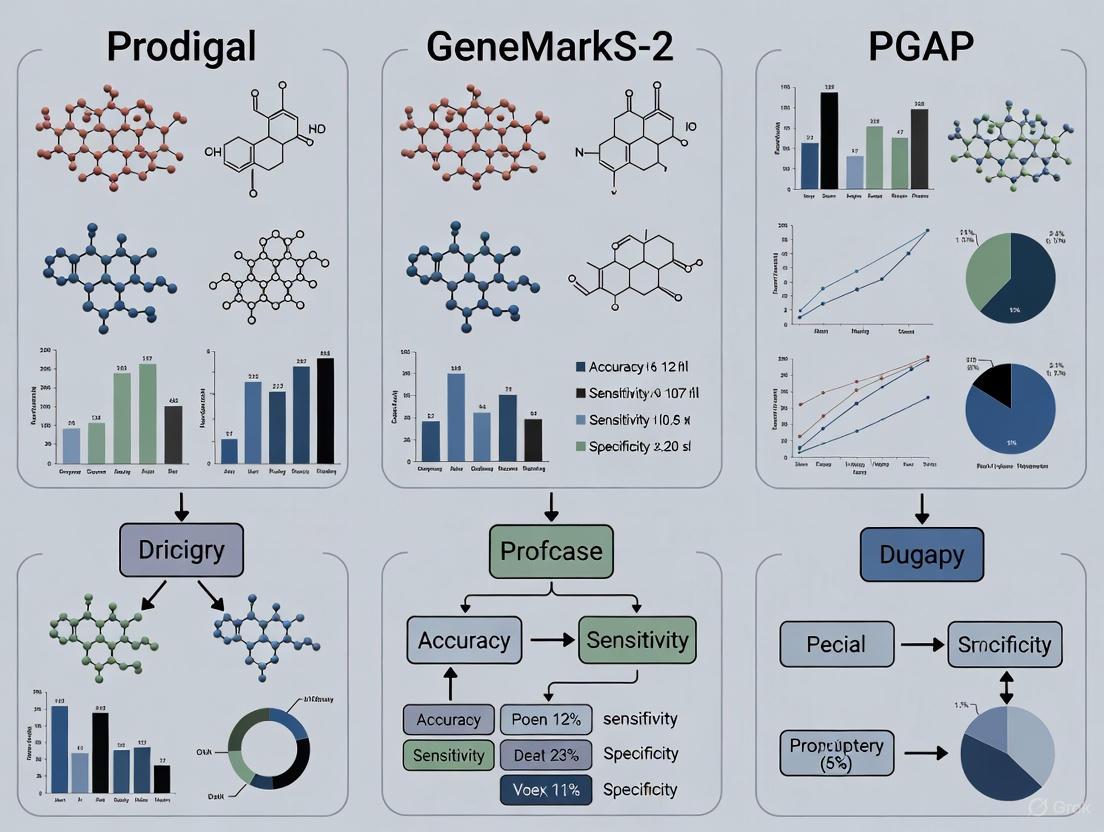
Prokaryotic Gene Prediction Showdown: A Critical Comparison of Prodigal, GeneMarkS-2, and PGAP for Genomic Annotation
Accurate gene prediction is foundational for downstream analyses in genomics, from functional annotation to drug target identification.
Advancing Translation Initiation Site Recognition: From Foundational Mechanisms to AI-Driven Biomedical Applications
This comprehensive review explores cutting-edge advancements in translation initiation site (TIS) recognition, addressing critical challenges in eukaryotic gene annotation and therapeutic development.
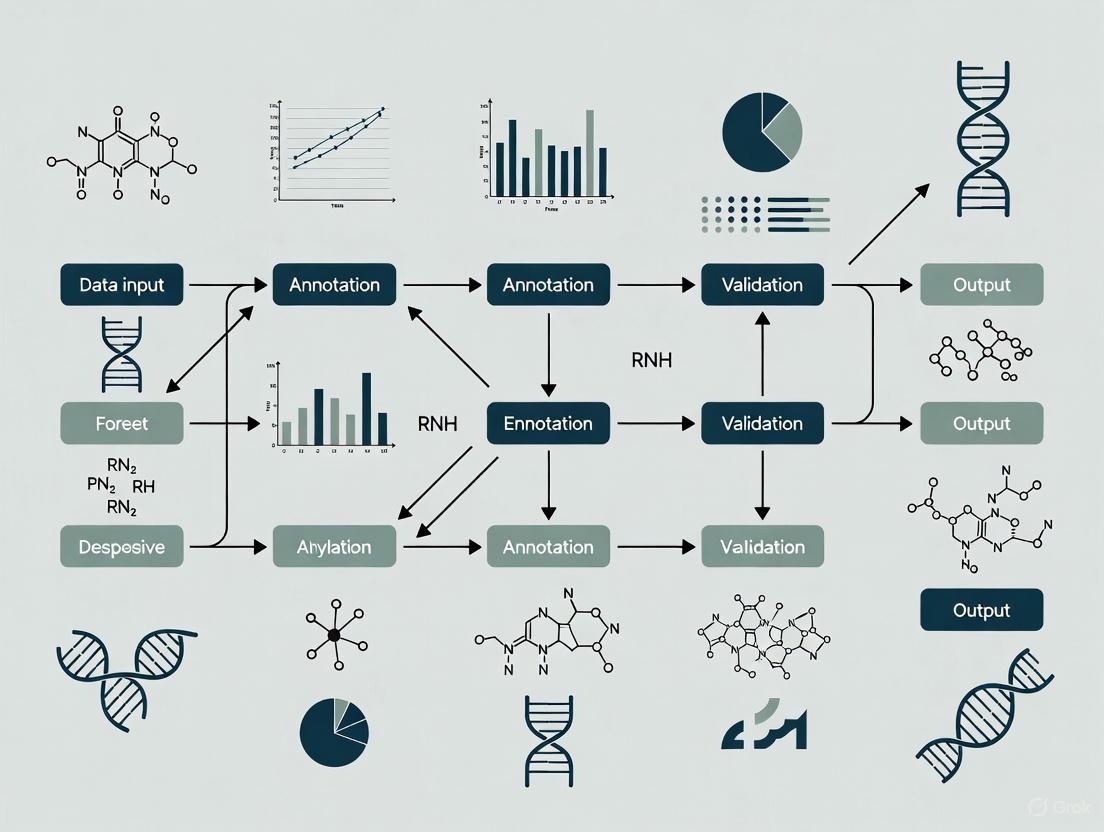
Essential Quality Control Metrics for Prokaryotic Gene Annotations: A Guide for Accurate Genomic Analysis
This article provides a comprehensive framework for implementing robust quality control (QC) in prokaryotic gene annotation, a critical step for reliable downstream analysis in microbial genomics and drug development.
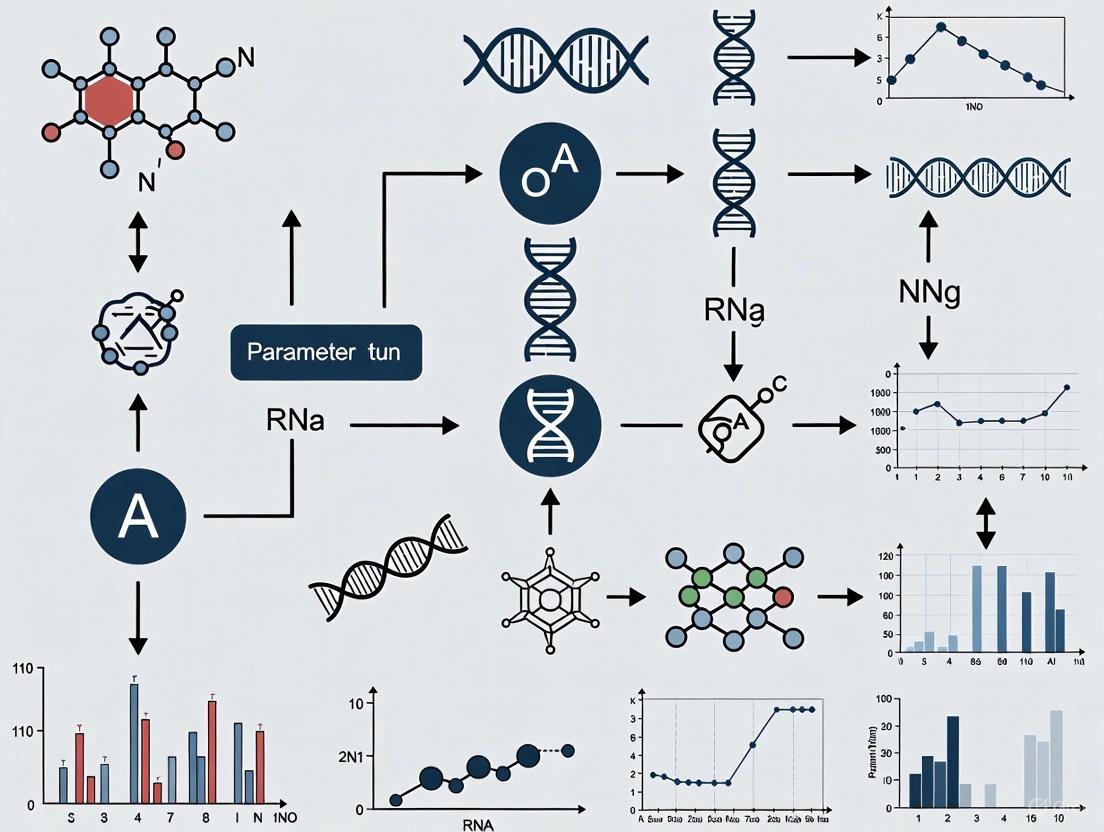
Parameter Tuning for Leaderless Transcription Prediction: A Guide for Genomic Researchers and Drug Developers
Accurately predicting leaderless transcription—where genes are transcribed from promoters lacking typical upstream leader sequences—is crucial for precise genome annotation and understanding bacterial pathogenesis.
Tackling False Positives in GC-Rich Genomes: From Foundational Causes to Advanced Solutions for Precision Medicine
This article provides a comprehensive guide for researchers and drug development professionals confronting the pervasive challenge of high false positive rates in the genomic analysis of GC-rich regions.

Resolving Gene Start Discrepancies: A Comprehensive Guide for Genomic Researchers
Gene start site discrepancies between annotation tools pose significant challenges in genomic research, potentially impacting downstream analyses in drug development and clinical diagnostics.